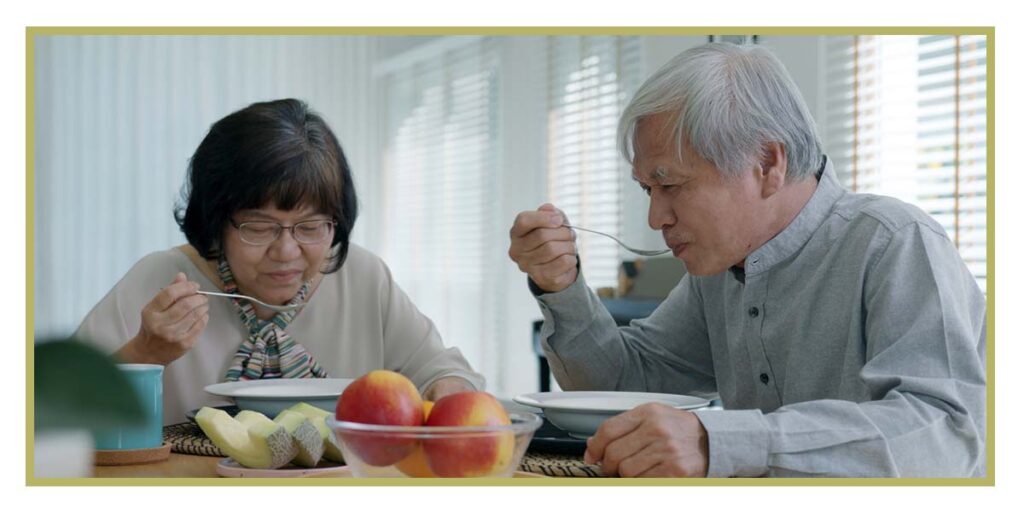
As we age, many adults notice gradual changes. You might notice that you or your loved one has more fatigue after daily activities, slower recovery from minor illnesses or a smaller appetite at mealtimes. These shifts often occur subtly, making it easy to overlook their connection to nutrition.
Good nutrition doesn’t have to mean strict rules or complicated diets. Instead, it’s about thoughtful nourishment — selecting nutrient-rich foods that provide more benefits with fewer calories.
Making thoughtful dietary choices can help boost energy, support long-term health and maintain the quality of life you enjoy.
Calorie needs often decrease as you age, while nutrient needs stay the same or increase. This makes nutrient-dense foods especially important for seniors’ nutritional needs.
Since elderly dietary needs can shift over time, focusing on key nutrients like protein, B12, calcium and fiber becomes essential.
Nutrient-dense foods pack vitamins, minerals and other benefits into every bite. Think fruits, vegetables, lean proteins and whole grains. These choices matter more because your appetite may decrease with age.
As you fill your or your loved one’s plate, consider adding some nutrient-rich options:
Age-related muscle loss, called sarcopenia, happens gradually. You might not notice it until it affects balance, strength or mobility. Protein helps maintain muscle mass and supports the immune system and wound healing.
When we age, muscle loss rates and protein requirements change. Here’s how to get enough:
The body’s ability to absorb vitamin B12 from food decreases with age. Because of this, ensuring adequate B12 intake is especially important for older adults, often through fortified cereals, dairy products, eggs and lean meats as well as supplements. Vitamin D — found in fatty fish, milk and egg yolks — is equally critical because it helps the body absorb calcium, supports bone health and strengthens immune function.
Speak to your or your loved one’s healthcare provider before introducing supplements to ensure optimal vitamin levels.
Bone density naturally declines with age, especially after midlife. This increases the risk of fractures from even minor falls. Calcium helps prevent osteoporosis, but it needs vitamin D as a partner.
While calcium needs can vary slightly by age and gender, most adults over 50 are generally recommended to aim for 1,000 to 1,200 milligrams daily. Some good options include:
Fiber does more than prevent constipation. It helps manage blood sugar, lowers cholesterol and supports gut health.
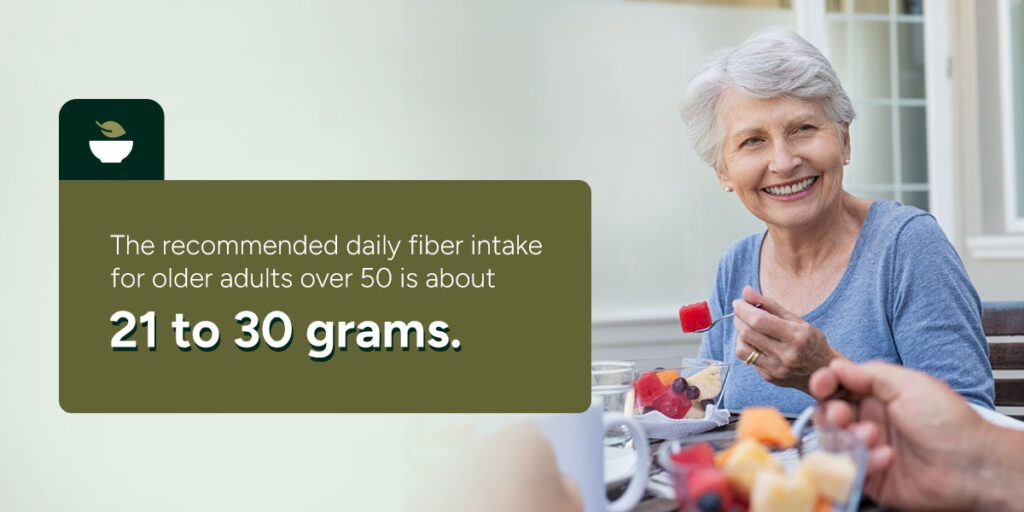
The recommended daily fiber intake for older adults over 50 is about 21 to 30 grams. Common sources include:
Fiber works best when paired with adequate hydration.
The body’s systems naturally change over time, affecting how it processes food and uses nutrients. These natural changes mean our diets often need to adjust as well.
A slower metabolism and a more sedentary lifestyle mean the body burns fewer calories. Reduced muscle mass contributes directly to this slower resting metabolic rate. Calorie needs may drop, but micronutrient needs often stay the same or increase. That’s why quality nutrition matters for seniors’ nutritional needs.
A reduced sense of taste and smell can make food less appealing, leading to a smaller appetite. This can lead to a preference for processed, strongly flavored foods that are higher in salt and sugar. Medications can also alter taste perception or reduce appetite.
Issues like dentures, sore gums or missing teeth can make it difficult to eat nutrient-dense foods like fresh fruits, vegetables and meats. When chewing becomes uncomfortable, many people avoid fibrous foods without realizing it.
Common prescription medications can interfere with your appetite or your body’s ability to absorb certain nutrients. When you’re taking multiple medications, the likelihood of nutrient interactions increases.
If you’re on several prescriptions, discuss potential interactions with your doctor.
These are simple steps you can take today to improve your nutrition. Small, sustainable habits matter more than major overhauls.
“Eat the rainbow” isn’t just a catchy phrase. Different colored fruits and vegetables contain different vitamins and minerals. Here’s how to add variety:
Keep in mind that frozen options are generally just as nutritious as fresh and help you maintain variety year-round.
Your sense of thirst can diminish with age, making you more susceptible to dehydration. Mild dehydration doesn’t always feel like thirst — it can show up as fatigue, dizziness or confusion. Aim for 6 to 8 glasses of water daily and remember that soups, fruits and vegetables also contribute to fluid intake.
Eating with others can improve your appetite and make meals more satisfying. Shared meals help establish routine and support regular eating habits.
You’ve learned about the nutritional needs of older adults and why those needs change. But meal planning, grocery shopping and cooking every night can feel overwhelming, especially when appetite is low or energy is limited.
Retirement living offers a different approach — one that shifts the focus from work to the vibrant, worry-free lifestyle you can enjoy.
Retirement communities become active partners in your long-term health by removing daily nutrition challenges through:
When dietary needs are handled by professionals who know what older adults need, you’re free to focus on living well. Quality meals and welcoming dining amenities become part of daily life, not daily work.

At Elm Terrace, we’re your partner in maintaining the health and vitality that make retirement rewarding. You’ll get the balanced nutrition your body needs without the hassle of meal planning or cooking.
You can feel confident you’re getting the proper nutrients to stay happy and healthy. It’s more than a service — it’s peace of mind.
Whether you’re seeking independent living or exploring care options for a loved one, Elm Terrace provides the nutrition, support and vibrant lifestyle that make every day fulfilling. Call us today at 215-361-5600 or contact the team online to schedule a free lunch and tour!