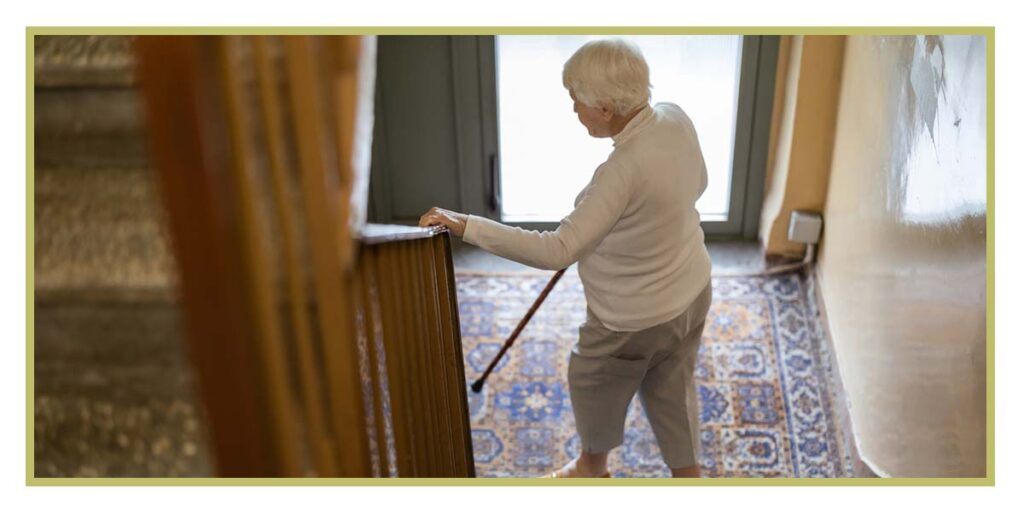
Most older adults want to stay in their homes as long as possible, and protecting that independence starts with a few small changes. Since falls are the top cause of injury for adults 65 and older, and more than half of falls take place at home, fall-proofing is essential for safety.
Fortunately, many falls are preventable with simple modifications you can make on your own or with someone’s help. Here’s how to fall-proof a home for yourself or an elderly loved one.
An estimated 80% of falls in the home happen in the bathroom, making it the highest-risk part of your house. The good news is that most bathroom safety improvements don’t require full-scale renovations, but they can still improve your peace of mind.
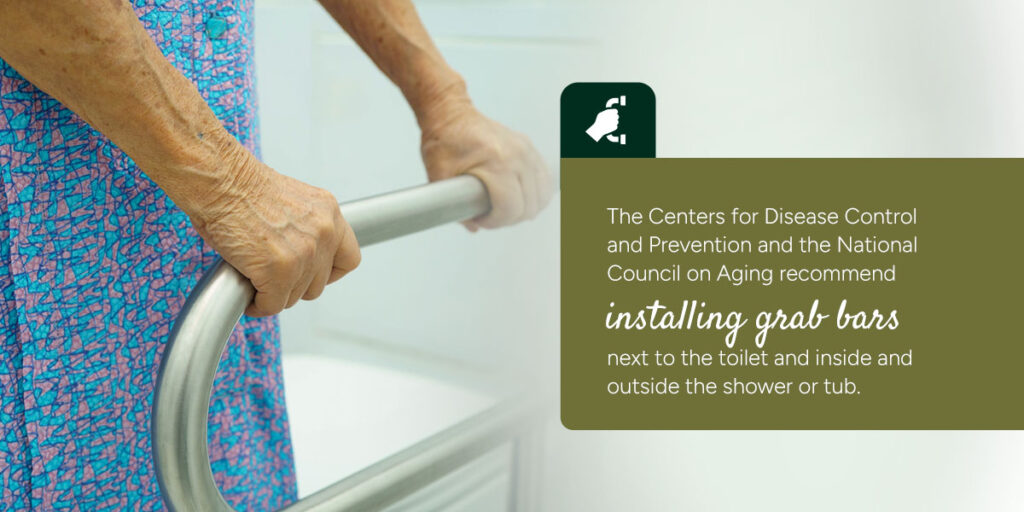
Grab bars are inexpensive, wall-mounted safety devices that can support body weight and help people keep their balance. The Centers for Disease Control and Prevention and the National Council on Aging recommend installing grab bars next to the toilet and inside and outside the shower or tub. Put a vertical bar near the shower entrance and a horizontal bar inside that you can use while standing. Since installing grab bars requires anchoring them into the wall studs, you may need a handyman or family member to help you.
You might also consider adding a shower seat if you feel unsteady while bathing. Look for a preassembled, waterproof stool that you can move in or out of the bathroom as needed. Wall-mounted chairs are another option if you want to save floor space, as they fold up flat. However, they typically require professional installation to ensure safety and protect the shower from damage.
Making sure your bathroom floor isn’t slippery is one of the easiest ways to help prevent falls — especially when combined with grab bars. You can put nonslip mats or adhesive strips inside the tub or shower to prevent slipping. Remove loose rugs and replace them with nonslip versions that stay firmly in place.
Adequate lighting in the bathroom is also crucial, especially at night when sleepiness can increase the risk of a fall. Add nightlights between the bedroom and bathroom, and consider placing one in the bathroom as well. Motion-activated nightlights turn on automatically in the dark, so you don’t have to fumble for a switch.
Living rooms, hallways and entryways are full of easy-to-fix hazards that often go unnoticed. The modifications in these spaces are often DIY-friendly, and most require no tools.
Though they can make your space feel cozier, throw rugs are a well-known risk factor for falls. You can easily add double-sided tape to the underside of a throw rug to help it stay in place. Another option is to buy nonslip pads and place them under your rug to keep it from moving.
You’ll also want to look out for clutter and other tripping hazards in your home. Do a careful walk-through of your house, looking at floors and pathways from a fall-risk perspective. Common items to address include electrical cords running across walkways, shoes or objects left near the stairs and furniture positioned in narrow walkways.
Since age-related vision changes make it harder to see in the dark, improving your lighting is one of the most overlooked yet impactful fixes for fall prevention at home.
Replace burned-out bulbs with bright, non-glare bulbs throughout your home. Add motion-activated nightlights in hallways or line pathways with LED strips. Lastly, light fixtures and lamps should have lightbulbs rated at least 800 lumens to ensure they’re bright enough to see obstacles or changes in floor level.
Bedrooms and stairways have distinct fall risks that deserve attention.
A few simple changes in your bedroom can significantly reduce your risk of falling. First, if you don’t already have a bedside lamp, now’s the time to get one. You should be able to reach it from your bed without standing up.
Beyond making it easy to turn a light on, make sure to have a sturdy chair or dresser you can hold on to for support while dressing. Finally, consider whether your bed height allows you to stand easily, given your height and mobility. If it’s too high or low, it will increase your fall risk.
Stairs are a typical cause of falls, which often result in more severe injuries than falls in other areas of the home. Install or check handrails on both sides of all stairways in your home. If they wobble, you can fix them by tightening the hardware. However, if the handrail is shaky and shows signs of damage, like cracks or rust, it may need replacement.
Stairway lights should have switches at the top and bottom, so you don’t have to climb stairs in the dark. Additionally, keep stairs completely clear of objects, and check that carpeted steps aren’t loose.
Even after these improvements, going up and down the stairs may feel demanding at times and pose a risk. Building your strength and balance through exercise will boost your confidence as you move between floors.
Fall prevention tips can go a long way — but for some older adults, they’re not quite enough to provide reassurance. If you always worry about your safety despite modifying your home, it may be time to explore a continuing care retirement community where you can get back to enjoying life.
CCRC residents can transition between independent living and multiple levels of care, all under one roof, so you won’t need to relocate to meet your future healthcare needs.
Consider a CCRC if you:

Are you ready to live somewhere that puts you at ease, day and night? Elm Terrace is a vibrant, not-for-profit continuing care retirement community located in the heart of Lansdale, Pennsylvania.
With single-level apartment homes and elevator access, you’ll never have to climb stairs when you’re home, while chef-prepared meals, weekly housekeeping and maintenance services free you to focus on enjoying life — and all that downtown Lansdale has to offer.
Call us today at 215-361-5600 to learn more, or schedule a free lunch and tour!