Assisted living is the bridge between complete independence and 24-hour medical care. When people move into assisted living, they can receive support with daily activities like bathing and eating. This kind of care provides companionship and can help older adults navigate their day with less risk of personal injury.
Although assisted living costs more than independent living, it’s more affordable than full-time skilled nursing. The right fit for you or your loved one depends on your needs, budget and support system. If you move into a continuing care retirement community, you can receive different levels of care over time as your needs change.
SeniorLiving estimates that the median cost of assisted living is $73,548 in America in 2025. For Pennsylvania, the reported median annual cost is $75,402 a year, which breaks down to $207 per day, or $6,284 per month. Of course, the monthly costs of assisted living depend on a person’s age, where they live and the level of care they’re receiving.
Assisted living can include services like:
Many older adults believe aging in place is more affordable, but that’s not always the case. For example, research from Genworth estimates that the median cost of in-home care in 2024 was $75,504 to $77,792, depending on whether families partnered with homemaker or home health aide services. Choosing assisted living can save you thousands of dollars a year, depending on where you live.
The total cost of assisted living varies depending on several important factors. The main factors to consider are the level of care required, your geographic location, the size of your living space and any community amenities. Learn more about these factors and how they can impact the cost of care.
The amount of time that you or your loved one needs a caregiver impacts the cost of care. For example, people who need help with bathing may only have care for a few hours in the morning or evening. However, others may need help preparing meals, eating or using the bathroom. Most assisted living communities use an assessment to measure the support an individual needs.
Your area can also impact costs. The cost of living varies significantly across states, and the availability of caregivers or assisted living communities can also influence the cost. Urban areas tend to be more expensive than rural ones. When choosing your location, consider access to hospitals and how close you’ll be to family.
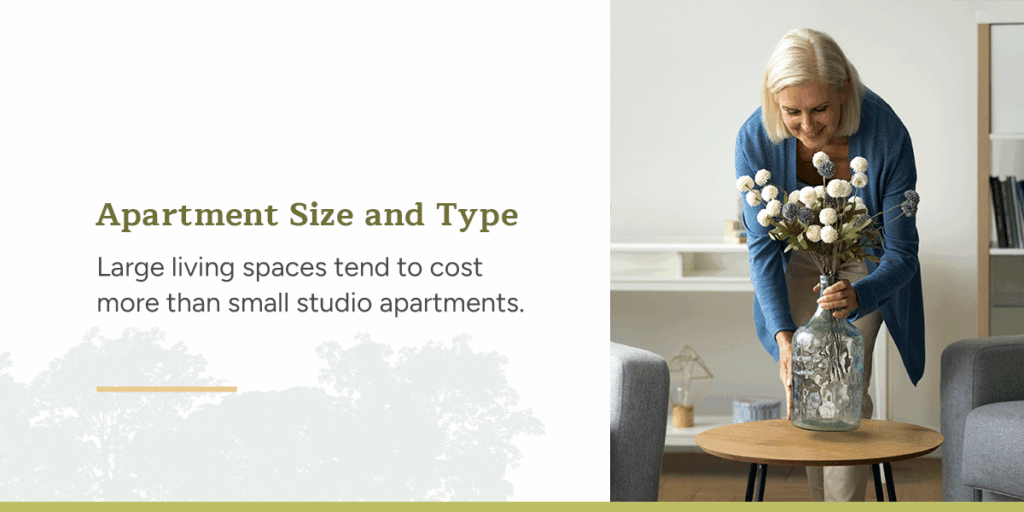
Large living spaces tend to cost more than small studio apartments. If you’re planning to move into an assisted living facility with your spouse, you can save costs by sharing a space together. Most assisted living communities offer a range of apartment sizes so you can choose the best size for your budget and needs.
Many assisted living communities have amenities like transportation, in-home dining, and social opportunities such as weekly game nights, exercise classes and artistic opportunities. These services make it easy for residents to enjoy a rich life without having to go far from the community. However, access to amenities may increase the annual cost of living.
Assisted living provides support for people who struggle with daily living tasks. In contrast, skilled nursing offers 24/7 professional medical care. Because it requires more time and services, skilled nursing care is more expensive than assisted living services. It’s a better fit for people who have complex medications, need respiratory therapy or require IV medications.
According to SeniorLiving, the cost of a private room in a skilled nursing care facility was $10,965 a month in 2025. If you or a loved one also needs memory care, the cost may be higher. If assisted living is a good fit for you or your loved one, you can save several thousand dollars a month by choosing to live at an assisted living facility instead of a skilled nursing center.
No, Part A and Part B Medicare do not cover assisted living. Medicare doesn’t pay for any long-term care services, whether those services are at-home, in an assisted living facility or at a skilled nursing care center. However, in some cases, Medicare may cover short-term stays in a skilled nursing facility or specific medical services given as part of assisted living care.
Many families use a combination of insurance, out-of-pocket and other payment methods to cover long-term care like assisted living services. Common financial options for long-term care services include:
The right coverage options for you depend on personal circumstances like location and eligibility. Regardless of how you cover long-term care, planning ahead is the best way to ensure you have the right coverage for future needs.
Yes, some or all assisted living costs are tax-deductible as medical expenses. However, the taxpayer must follow several IRS requirements to qualify. For example, the resident being cared for must be certified as “chronically ill” by a licensed healthcare provider. This certification means that they can’t complete at least two basic tasks on their own.
Additionally, their medical expenses must exceed 7.5% of their adjusted gross income annually. If you or a loved one is in an assisted living facility primarily for medical care, the cost of meals and lodging may also be deductible. However, if they’re primarily in assisted living for help with daily tasks, these services aren’t tax-deductible.
Located in Lansdale, PA, Elm Terrace has been supporting older adults for over 40 years. We offer different kinds of apartments, proximity to downtown and on-site amenities so you can enjoy where you live. We’ve built a community that supports families with the highest level of care, whether you’re looking for independent residential living, assisted living or skilled nursing care.
At Elm Terrace, we offer three different kinds of financial contracts, so you can find the best fit for your budget and peace of mind. Because we’re a continuing care retirement community, you can increase your level of skilled medical care as needed over time. Contact us today at 215-361-5600 to schedule a tour and learn more about Elm Terrace today!